
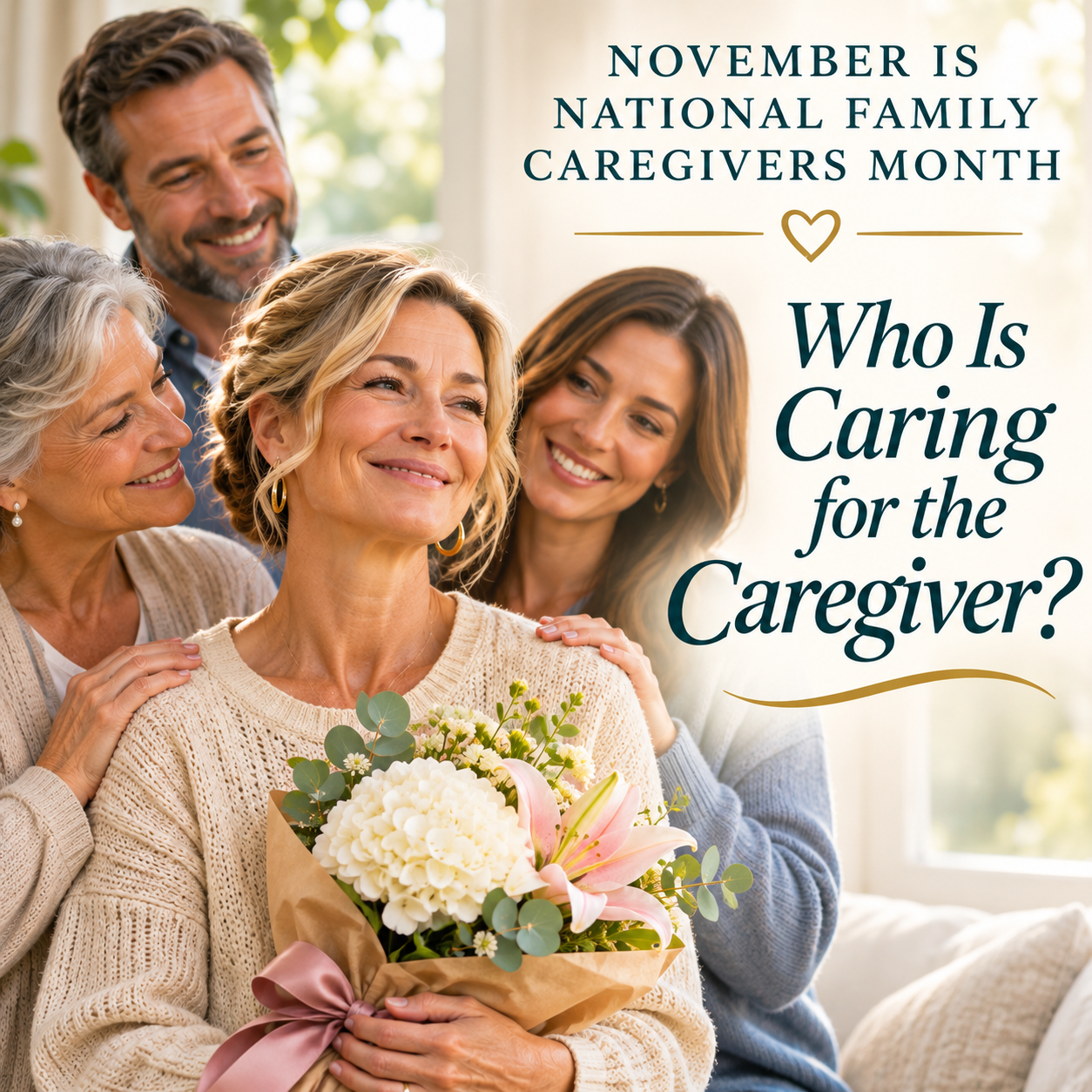
November is National Family Caregivers Month, a time to recognize people whose work often happens behind closed doors, between appointments, and in the middle of the night. For those caring for someone today, recognition matters. So does having someone ask, “How are YOU doing?”
When my husband John was diagnosed with ALS at 47, caregiving became part of our marriage, our parenting, and our daily lives. We had two boys to raise and a future that suddenly looked nothing like the one we had imagined. My faith became an anchor as we faced what came next.
Our story is one among millions. AARP and the National Alliance for Caregiving’s 2025 report estimates that 63 million American adults, nearly one in four, are family caregivers. Among those caring for adults, 61% are women and 38% are men. Caregiving reaches across generations, households, and circumstances.
The commitment can stretch far beyond an initial diagnosis. Caregivers surveyed reported an average of 5.5 years of care; that measures time already spent caregiving, rather than predicting when their responsibilities will end. Nearly one in four provides at least 40 hours of care weekly. Common reasons include age-related decline, Alzheimer’s and other dementias, mobility limitations, cancer, and recovery from surgery. Progressive illnesses such as ALS bring their own demanding journeys.
The economic consequences reach well beyond medical bills. Seven in ten working-age caregivers balance employment with care. Half of working caregivers report arriving late, leaving early, or taking time off. Some reduce hours or leave jobs altogether, sacrificing income, career growth, and retirement savings. Nearly half of family caregivers report a negative financial consequence; 23% have taken on debt. Love may motivate the work, but it does not pay the bills.
The caregiver’s health deserves equal attention. One in five reports fair or poor health, and nearly one in four struggles to care for their own health. Prolonged caregiver stress can contribute to depression, anxiety, and increased risk of chronic illness. Exhaustion and isolation deserve attention long before someone reaches a breaking point.
This month, let’s make appreciation practical. Bring dinner. Handle an errand. Arrange a dependable break. Listen without rushing to offer solutions. Keep showing up after the first weeks of a diagnosis, when the calendar grows quieter but the responsibilities remain.
And if you are the caregiver, please hear this: accepting help does not diminish your love or your faith. Rest belongs in your life, too. God sees the person doing the caring. May we see that person and care for them with the same tenderness they extend to someone else.
Thank you to caregivers everywhere.
Godspeed,
Rachel
